Welcome to BoilerImpact.com, a Comprehensive History of the Boiler Industry
Over the centuries, boilers have evolved from coal-fired giants to digitally optimized, high-efficiency systems that shape our energy future. Every step of the way, the boiler industry has been forged by tradition and fueled with innovation.
Boiler History Begins in the Late 17th Century
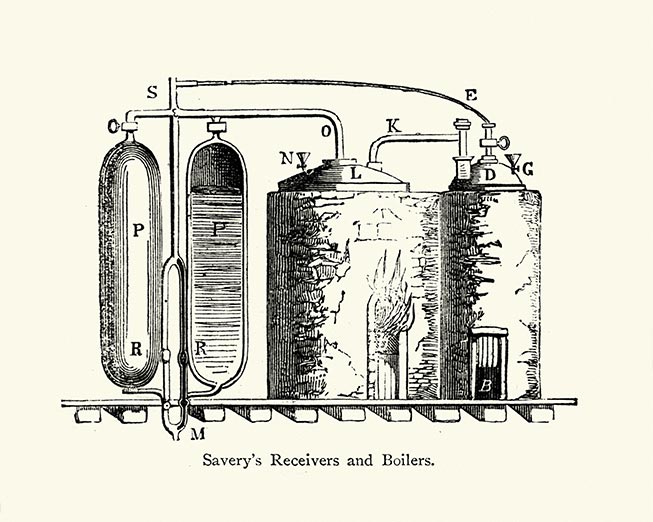
1698
Thomas Savery, a British engineer and designer, created the first operational steam engine. It was known as the "Savery Engine." Savery's concept involved using steam to create a vacuum, which allowed for the extraction of water from mines. This simplified mining. This was a significant advancement for steam technology, paving the path for more advancement in the future.
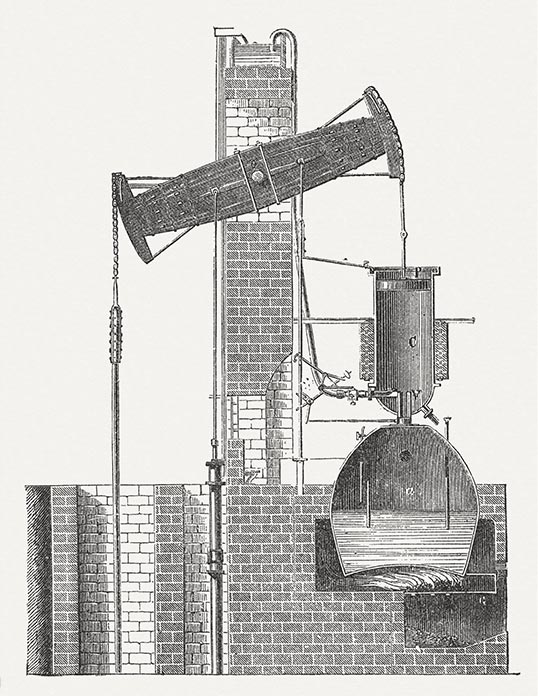
1712
Thomas Newcomen's steam engine was the first practical atmospheric engine, using steam to create a vacuum that allowed atmospheric pressure to push a piston, primarily to pump water out of flooded mines, revolutionizing mining and kickstarting the Industrial Revolution by providing a powerful, reliable heat engine for industrial use. It worked by filling a cylinder with steam, condensing it with a cold-water spray to create a vacuum, and letting the outside air pressure force the piston down, which operated a pump beam.
Did You Know?
Water at 130°F can scald exposed skin.
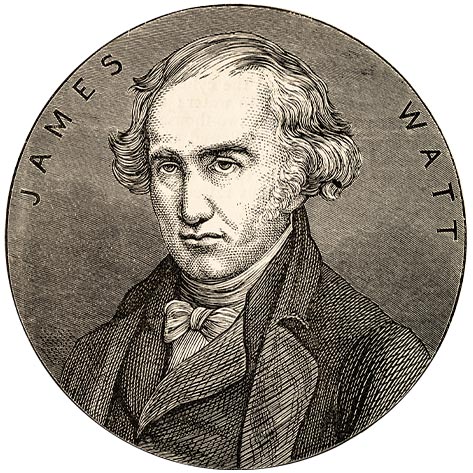
1765
James Watt conceived a separate condenser, a separate chamber to cool the steam, keeping the main cylinder hot, dramatically boosting efficiency from previous models. This innovation drastically cut fuel consumption by about 75%, making steam power much more practical and economical.
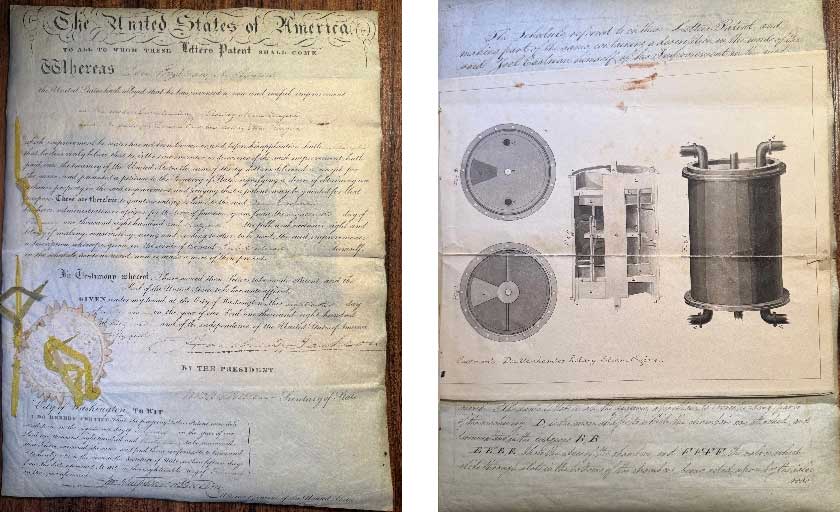
1831
United States Patent issued in 1831 to Eastman for a double chamber steam engine, signed by U.S. President Andrew Jackson.
1867
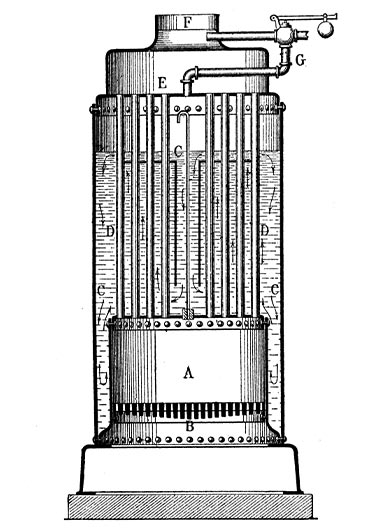
George Babcock and Steven Wilcox patented their water-tube boiler design, which used tubes inside a firebrick-walled structure to generate steam that could generate steam under higher pressure and more efficiently than existing designs.
Did You Know?
Estimates indicate that more than 2,200 people died from steam explosions in the late 1800’s.
1880
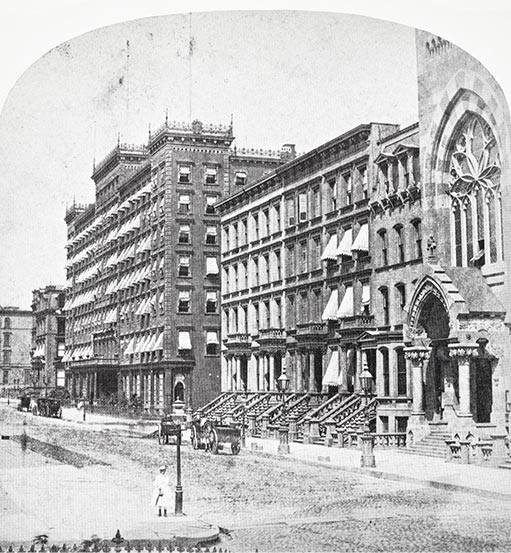
American Society of Mechanical Engineers (ASME) is established in New York City. ASME was founded as a way for engineers to discuss concerns brought by the rise of industrialization and mechanization which included the need to ensure the safety of equipment used in manufacturing and construction, particularly boilers and pressure vessels, redefined the organization’s purpose and set the tone for the impact it has on humanity today.
1888
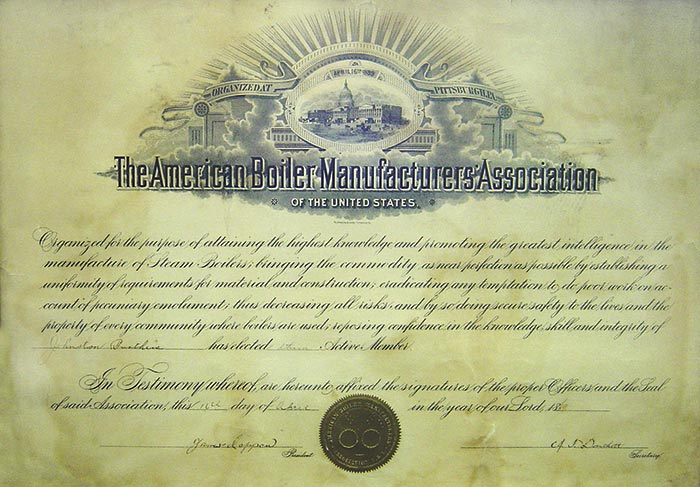
Informal meetings of boiler manufacturers in 1888 led to a convention that took place in Pittsburgh, PA in April 1889 that included the official formation of the American Boiler Manufacturers Association (ABMA) where the constitution of the organization was adopted.
1893
The Reed water tube boiler was launched and differed from locomotive boilers, also known as "fire tube boilers", in that water passed through steam-generating tubes mounted directly above the furnace. Advantages of the water tube boiler included comparative lightness and the ability to run at higher pressures.
Did You Know?
There are ~163,000 industrial and commercial boilers in operation in the United States: 43,000 industrial boilers and 120,000 commercial boilers.
1900
Low pressure air-atomizing oil burners were developed and in use as part of early efforts to efficiently atomize fuel oil for combustion. The period saw significant advancements in oil-burning technology generally, with various methods of atomization emerging. The core principle behind atomization is breaking liquid fuel into a fine mist or minute particles, which increases the surface area exposed to oxygen, resulting in hotter, faster, and more efficient combustion. Early methods for this included using mechanical pressure and vaporization with compressed air or steam.
1919
The National Board of Boiler and Pressure Vessel Inspectors was formed to address a wide range of Boiler & Pressure Vessel Code (BPVC) interpretations and promote greater safety to life and property through uniformity in the construction, installation, repair, maintenance, and inspection of pressure equipment.
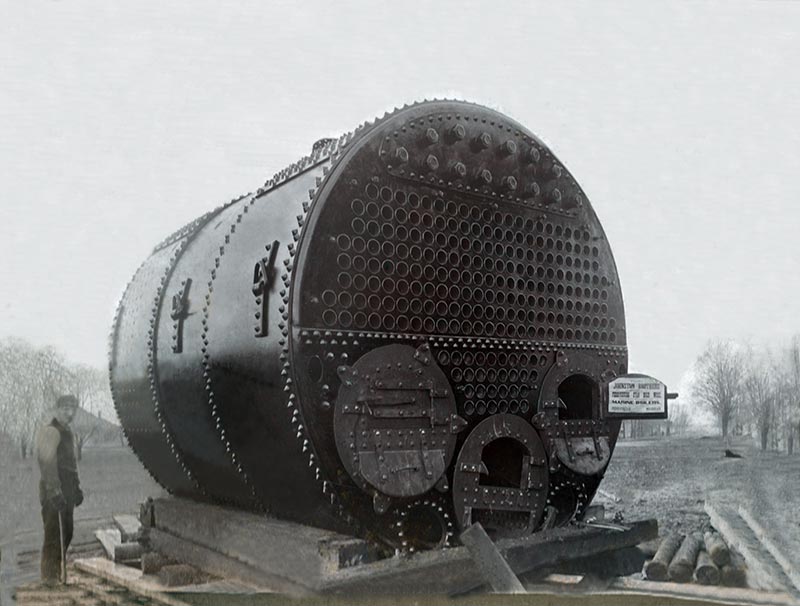
1931
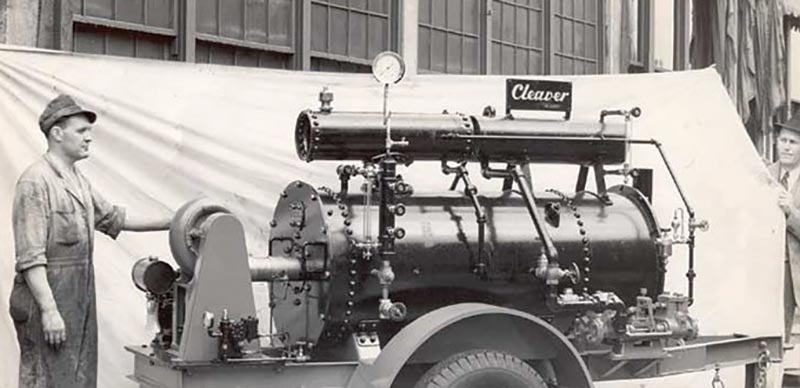
John C. Cleaver joined forces with Raymond Brooks to form Cleaver-Brooks and produced the world's first packaged boiler.
1959
The membrane tube wall design is introduced with seamless tubes welded together with a steel membrane bar between the tubes and made into a large tube panel. This innovation shortened construction time and made boilers less expensive to produce. It also increased the output of the boilers.
Did You Know?
EPS boilers often operate at 90 psig Saturation temperature at 90 psig is ~330°F.
1967
Nationwide Boiler builds the world's first trailer-mounted package boiler for commercial rental.
1980
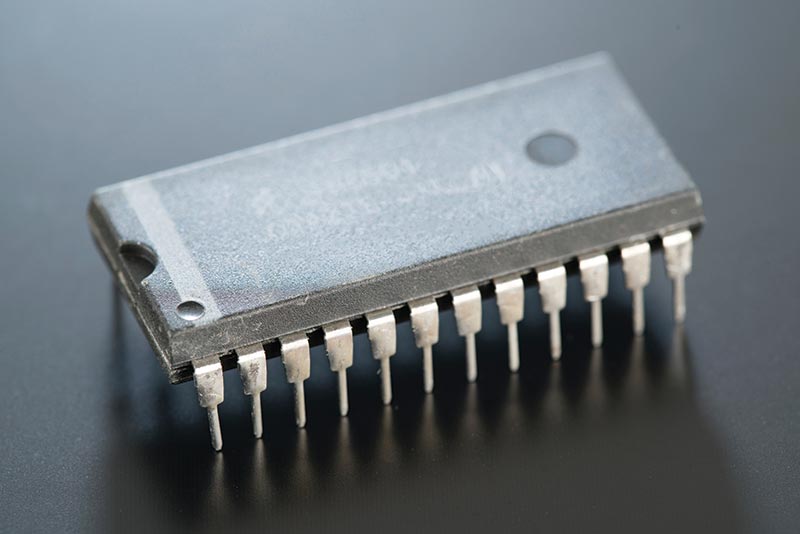
Microprocessor-Based Burner Management Systems (BMS) emerge, offering precise, automated sequencing for safe light-off, modulation (low fire to full fire), and shutdown, replacing older electromechanical relays for better safety and efficiency in industrial boilers.
1988
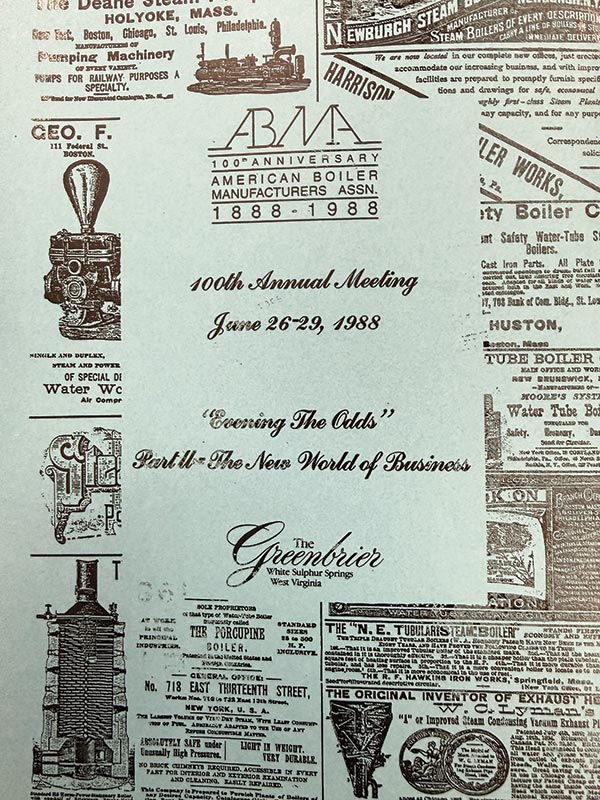
ABMA celebrates 100 years of advancing the boiler industry.
1989
Industrial Combustion developed the "LN" burner in 1989, the first UL-approved flue gas recirculation (FGR) burner system to meet stringent California emissions.
1993
Riley Stoker develops dual-fuel firing with coal and natural gas implementing natural gas firing to help existing coal plants adapt to changing economics and environmental regulations, improving competitiveness by leveraging existing infrastructure for cleaner, more efficient operation.
2022
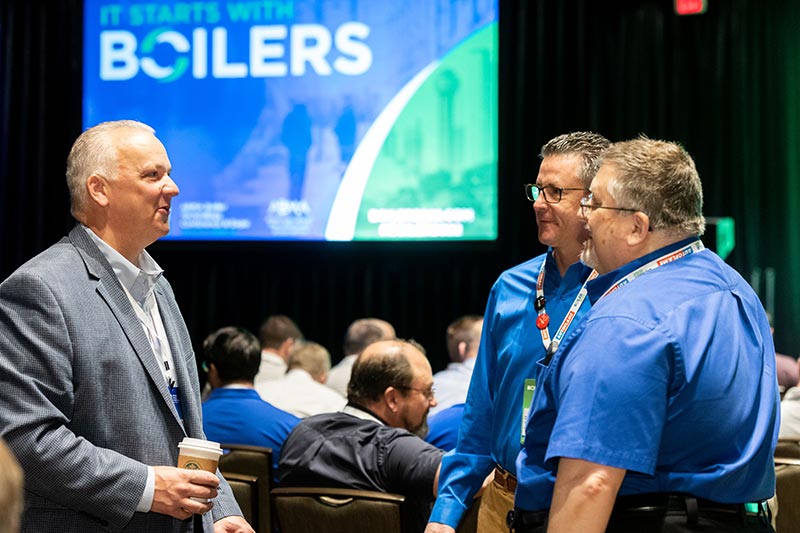
ABMA launches BOILER 2022, the first industry conference and tradeshow exclusively for boilers in Dallas. TX with over 1,000 attendees.
2025
Nancy Simoneau, President of Groupe Simoneau is elected as first international and first female Chair of the Board of Directors.

2026
After the success of BOILER 2022 and BOILER 2024, the event is given a new name and fresh re-brand. The ABMA Boiler Expo is well-positioned to be the only expo focused specifically on the purchasing, operation and maintenance of boilers, now and into the future.




 Back to ABMA.com